
For two decades, Honolulu ARCS Scholar alumna Heidi Hammel helped guide development of the James Webb Space Telescope, determined that it be as good of tool for the next generation of space scientists as the Hubble Space Telescope had been for her as a postdoc.
The Association for Universities for Research in Astronomy vice president for science is one of six science advisors on the space tlescope, which launched Christmas Day 2021 and began tranmitting images in July. In a special live online presentation hosted by ARCS Honolulu Chapter and co-sponsored by the University of Hawai‘i at Manoa's Institute for Astronomy, Dr. Hammel reflects on JWST's importance and what it means for her own research and our understanding of the universe.
"Hubble gave us high school yearbook pictures of the universe; Webb is giving us the baby pictures. It is by putting them all together that we try to understand how the universe formed and evolved to where we are today." Only half of the important science thus far generated by Hubble was planned prior to launch, she notes. Now astronomers find themselves "on the edge of a firehose" of data with JWST and just getting started. "I don't even know what the most amazing science is going to be," she says. "It's a new era of astronomy starting now. I don't know where it is going to lead, but it is quite an amazing ride and I'm so thrilled to be a part of it. Thank you ARCS for helping me when I was a young student in Honolulu."
Science Communicator Christie Wilcox Tells it Like It Is

Christie Wilcox, PhD, on her Honolulu ARCS Scholar Award: "The life of a graduate student is not enviable… For me, it was essential. It was what I needed, the kind of funding to pursue these curiosities that I had. And I was grateful for it.” Read more about the the award winning science communicator.
To Quote a Scholar: Lucas Ellison
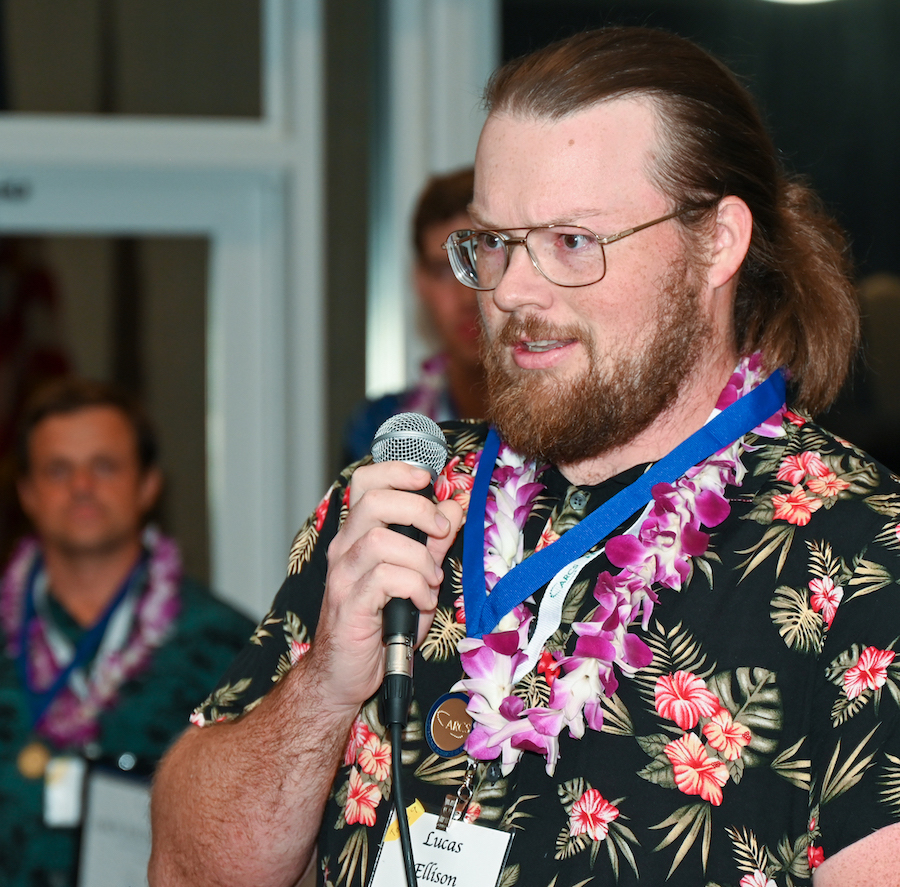
"The grant will cover travel to one or two conferences that I would not be able to attend otherwise."
2024 Toby Lee ARCS Scholar Lucas Ellison uses data from past droughts to analyze the performance of climate simulation models to better predict the impact of climate change.
Scholar Update: Lunar Luminary Paul Lucey
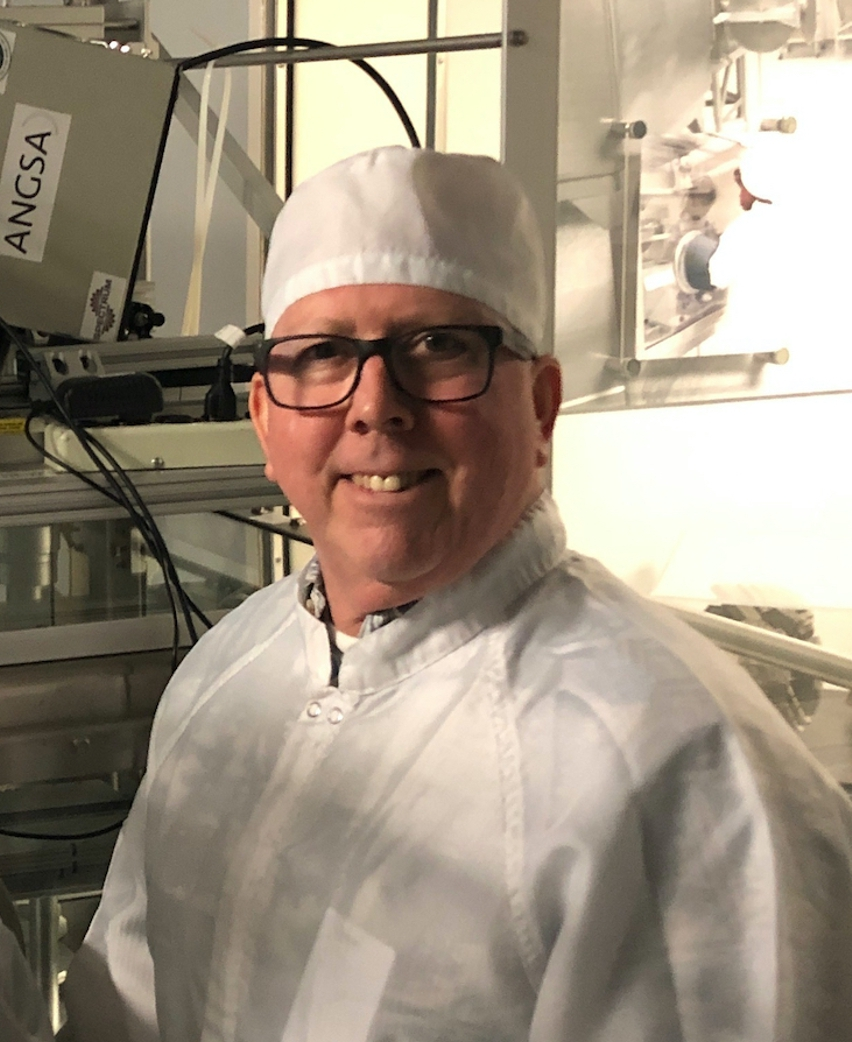
"When I began research in planetary science as an undergraduate, I saw it as a tangible way to explore space and make meaningful contributions to that endeavor. As time passed, I have enjoyed helping many students do the same, and watch them become successful scientists."
1987 Honolulu ARCS Scholar Dr. Paul Lucey received the NASA Eugene Shoemaker Distinguished Scientist Medal recipient for lifetime achievement in the study of the Moon and other rocky planets. A professor in the University of Hawai‘i at Manoa's Hawai‘i Institute of Geophysics and Planetology, he has been instrumental in developing imaging spectrometers for NASA. His use of hyperspectral imagery to efficiently map lunar materials and quantitative modeling of near-infrared spectra have generated key insights regarding the composition of the lunar crust and interior. Read more